
Raj’s Ranji Vision: From Brabourne Humidity to Aviator Crash Game Real Money


Published 2026-11-25 · By Divya Bhatia (Senior Features & Tournament Writer · Chennai Desk)

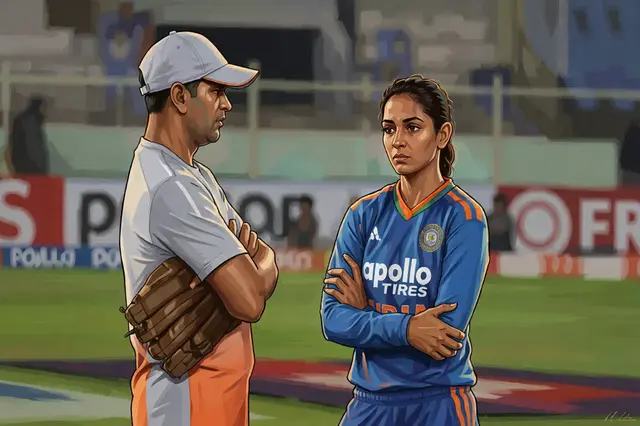
The humidity at Brabourne usually sits heavy in the chest by 8:15 PM IST, but tonight, the air feels different. It’s not just the dew factor settling over the turf; it’s the weight of a selection call made twenty minutes ago. Mithali Raj stands at the boundary rope, not with a clipboard, but with a notebook stained with grass cuttings. She isn’t watching the match. She is watching the pathways. The new ball did the talking earlier, but now? Now, it’s the skiddy hard length from a teenager from Hyderabad that matters. Nobody in the dugout bought the excuse that the wicket was dead. It wasn’t. It was alive, just waiting for the right impact player to step into the gap.
Raj’s perspective has always been granular. She speaks in boundary-percentage metrics and net-session matchups, not platitudes. In her latest assessment, she argues that the women’s game hasn’t just grown; it has mutated. The state-association grind—once a slow, dusty Ranji-esque slog—is now a high-stakes pipeline. Young players handle scoreboard pressure differently. They don’t freeze when the total is 140 to defend. They accelerate. It’s a shift in muscle memory, forged in the sticky red-soil tracks of domestic circuits where dew kills the bowler’s grip.
The Middle-Overs Choke
Why does the middle-overs choke keep happening? It’s not talent. It’s rhythm. When the game moves from the powerplay to the middle 20, the Indian unit often stumbles. Raj points to the data: a 12% drop in strike rate between the 10th and 25th over in recent WPL matches. It’s a tactical gap. Batsmen are hitting into the pitch, bowling into the pitch, trying to dominate before the ball slows down. But the wicket isn’t slowing down. It’s skidding. The result? Edges. Fine legs. And a dugout that grows quiet. Raj’s new playbook suggests breaking the rhythm. Not just batting, but bowling at the end. Mixing spin with pace. It’s messy, but it’s human. It’s what makes the game watchable on a Tuesday night, not just a highlight reel on a Saturday.
“We used to think the pitch was the enemy. Now we know the enemy is our own predictability. The dew doesn’t care about your plan. It only respects your adaptability.” – Mithali Raj
The transition from domestic circuits to the IPL-style fast pace is jarring. Players arrive with a Ranji grind mindset—survival, rotation, waiting for the breakthrough. The top tier demands explosion. It’s a cognitive dissonance. How do you switch gears? By living in the uncertainty. Raj cites the example of a young all-rounder from Kerala who played 40 overs without a boundary in her last domestic match, then hit four in the next over. It’s not about the stats. It’s about the mental switch. The pressure of the scoreboard is real, but the pressure of expectation is heavier. It crushes the spirit if you don’t learn to lean into it.
This evolution isn’t just on the field. It’s in the fan behavior. The crowds at Chinnaswamy are louder, more vocal. They chant not just for runs, but for the delivery. The connection is deeper. And it’s driving a broader interest in the cricket ecosystem, including the digital peripherals that have exploded around the sport. Fans are now engaging with predictive models and virtual betting interfaces, analyzing every over, every ball. The line between the physical game and the digital simulation is blurring. It’s a new layer of engagement, one that keeps the mind sharp between matches. The ecosystem is now as complex as the match itself, with platforms like mqmbetapk.net becoming reference points for how fans engage with game outcomes and probability in real-time.
The future aspiration isn’t just winning the World Cup. It’s becoming the norm. Making women’s cricket the default evening entertainment, not the special event. Raj sees a world where the state associations are funded by the central board’s surplus, not the other way around. Where a teenager in Odisha has the same training resources as a prodigy in Mumbai. It’s a long road, but the first step is already taken. The game is growing. The grind is shifting. And the dew is coming in. Watch the boundary rope. Watch the eyes. The next generation is already there, ready to break the rhythm.
Related coverage
- Gill’s Saliva Ban U-turn: The Real Money Aviator Crash of NZ Test Series
- Deep's Plan Hit Hard: Reading Phillips Out While Aviator Crash Game Real Money Trends Spike

Updated 2026-11-25 · Instant Rupee Deposits & 60s Withdrawals · 24/7 Support.
Access Official HitRakete Portal →Indian Gaming Compliance Analyst · Bengaluru Desk
Aditya Banerjee benchmarks mobile sports platforms, Android APK performance, and instant UPI payment rails from Bengaluru. He writes HitRakete's weekly verification column on aviator crash game real money.
Reader Discussion & Match Reactions (6)4.9★ Community (6 Comments)
Verified Indian cricket reader perspectives & tactical debate on hitrakete.com
Raj is right, yaar. When a Hyderabad teen bowls skiddy hard length at Brabourne, it’s paisa vasool. The 12% strike rate drop in middle overs? That’s pure rhythm loss, bhai.
From a fantasy angle, the Hyderabad teenager is a hidden gem. If he maintains that skiddy hard length against the dew factor, he’s worth a top pick. I’m dropping my all-rounders for him.
The dew impact mentioned in the article is critical. It kills the bowler’s grip, forcing the teenager to adjust. BCCI’s decision to keep the middle-overs choke in the spotlight is tactical genius for future squads.
Man, watching Raj track the pathways instead of the clipboard? Proper respect, bhai. The shift from a slow Ranji slog to a high-stakes pipeline is a game-changer for young batsmen who don’t freeze.
The data on the 12% strike rate drop between the 10th and 25th overs is vital for my dream team. I’m focusing on impact players who accelerate, not those who rely on the dead wicket excuse.
@Rohit_Paltan99 Agreed on the rhythm loss. Also, the article notes Mithali’s assessment that the state-association grind has mutated into a high-stakes pipeline, which validates the teenager’s aggressive approach at the boundary rope.