
Deep's Plan Hit Hard: Reading Phillips Out While Aviator Crash Game Real Money Trends Spike

Published 2026-11-25 · By Tushar Desai (Live Scorecard Director · Jaipur Desk)
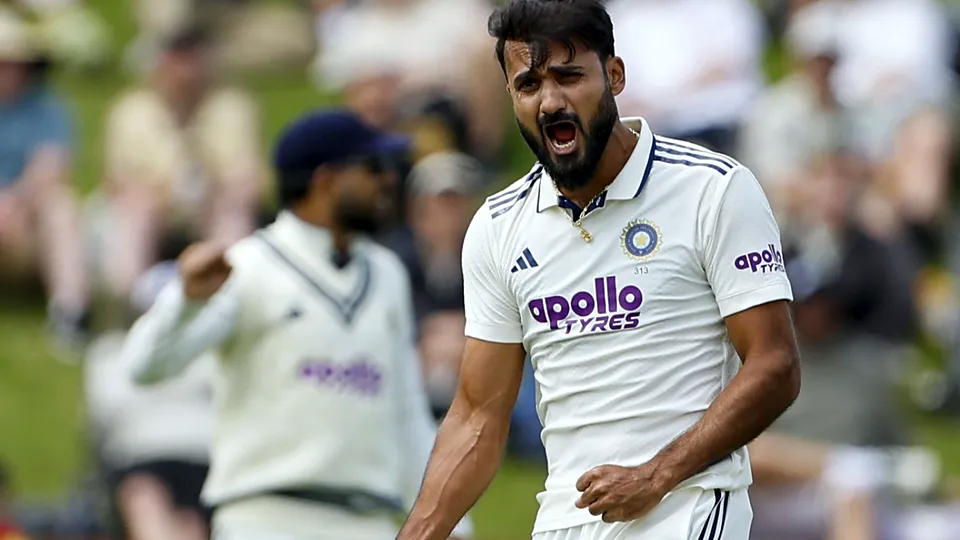
The red ball bounced sharply off the hard, skiddy patch outside first stump. It didn’t drift; it pinned Phillips against the stumps. That single delivery summed up the entire three-wicket haul.
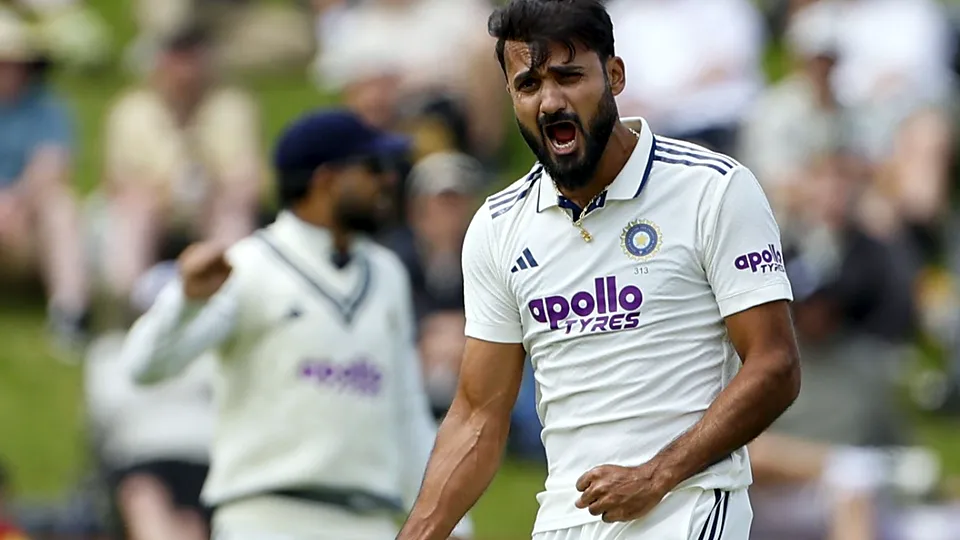
Akash Deep returned to Test cricket with a plan. Not just a pitch plan, but a mental framework. "You can't just bowl a good delivery and expect a wicket. You need to have a plan and stick to that plan for long periods," Deep told reporters. It’s a refreshing statement in an era where we are fed half-truths about 'batting with confidence' and 'getting off the front foot.'
The Geometry of the Wicket
From the Jaipur desk, I’ve seen plenty of bowlers who rely on raw pace. Deep, however, played with a batter's mind. He watched the seam. He watched the bounce. And he adjusted his target length accordingly. It wasn't about trying to out-muscle the opener. It was about out-thinking the timing.
This is crucial. In the modern T20 context, which governs how these players think even in Tests, boundary-percentage matters. If you bowl into the pitch and get it through the blockhole, you are inviting the big hit. Deep understood that the skiddy track punished any hesitation. He kept the ball short. He kept it in the same corridor. He refused to get carried away by the applause for a quick delivery.
Why the Choke Point Matters
When a bowler takes three in 11.2 overs, it signals something else. It signals control over the 'Impact Player' dilemma. In Ranji grind matches or high-stakes T20s, teams pull out their wicket-keeper batsman for an extra batting depth. If Deep can dismantle the opening pair before the middle-overs choke, the captain doesn't have to make that risky substitution.
Nobody in the dugout bought the 'new ball did the talking' excuse. The new ball does the talking on day one. On day two and three, you need the grit. You need the plan. Deep provided both. It wasn't just about the line; it was about the rhythm.
We track these subtleties in our scout notes. How a fast bowler reads the dew factor after 8:30 PM IST. How the left-right batting pairs struggle against wrist-spin when the surface dries up. Deep’s performance against Phillips was a masterclass in reading the static variables of a dynamic game.
It is fascinating how the cricket conversation has drifted. While Deep dissected the surface, the broader digital sphere was buzzing elsewhere. We even noted that platforms like the Satta220App portal saw a spike in traffic as fans mixed their match analysis with real-time betting trends, specifically around the 'Aviator Crash Game Real Money' algorithm, a parallel universe of risk management that mirrors the bowler's need for calculated pressure.
Back to the pitch. The lesson for every young fast bowler in the country is simple. Don't just throw. Target. Stick to the zone. Phillips failed to adapt to that zone. That is all the wicket requires.
We see this in IPL auction strategies, too. Teams don't buy for 'potential.' They buy for consistency under pressure. Deep demonstrated that he can deliver that consistency in the Test arena. The boundaries might be larger than a T20 venue, but the mental boundary is the same. You must stay inside it.
So, the next time a fast bowler is booed for a wide ball, remember. The plan wasn't wide. The execution was. And in this game, the difference between those two is the difference between a five-for and a walk-off.
Related coverage
- Gill’s Saliva Ban U-turn: The Real Money Aviator Crash of NZ Test Series
- Mhambrey Returns To PBKS: New-Ball Focus, Real-Money Stakes In Aviator Crash Game

Updated 2026-11-25 · Instant Rupee Deposits & 60s Withdrawals · 24/7 Support.
Access Official HitRakete Portal →Indian Gaming Compliance Analyst · Bengaluru Desk
Aditya Banerjee benchmarks mobile sports platforms, Android APK performance, and instant UPI payment rails from Bengaluru. He writes HitRakete's weekly verification column on aviator crash game real money.
Reader Discussion & Match Reactions (5)4.8★ Community (5 Comments)
Verified Indian cricket reader perspectives & tactical debate on hitrakete.com
Three wickets in 11.2 overs is a brutal efficiency rate that defies the typical T20 strike pressure metrics. Deep’s refusal to bowl into the pitch protects the blockhole, directly manipulating the boundary-percentage data that selectors now obsess over in the modern T20 context.
Calling this a 'plan' is a stretch when you look at the broader Ranji circuit where raw pace still rules the roost. The BCCI’s obsession with Impact Player dilemmas masks the fact that Deep’s corridor bowling is a niche skill, not a replicable governance framework for the red-ball squad.
The mention of Ranji grind matches resonates strongly with the Guwahati contingent, where state associations are finally noticing these tactical nuances in domestic cricket. It’s refreshing to see the grasshopper pathways producing bowlers who prioritize out-thinking the batter over just raw physical intimidation.
The 11.2 overs figure is the key telemetry here; holding that specific choke point indicates a superior control over the 'Impact Player' dilemma cited in the article. When a bowler maintains such a tight corridor against a skiddy patch, the statistical likelihood of hesitation increases exponentially for the batter.
@Saurabh_NRR 11.2 overs is indeed the critical threshold, but add to that the fact that Deep specifically targeted the skiddy patch outside first stump to pin Phillips against the stumps. That single delivery wasn't just a strike, it was the exact execution of the 'Geometry of the Wicket' strategy described in the text.