
Gill’s Saliva Ban U-turn: The Real Money Aviator Crash of NZ Test Series

Published 2026-11-25 · By Rajat Shetty (Executive Sports Editor · Mumbai Desk)
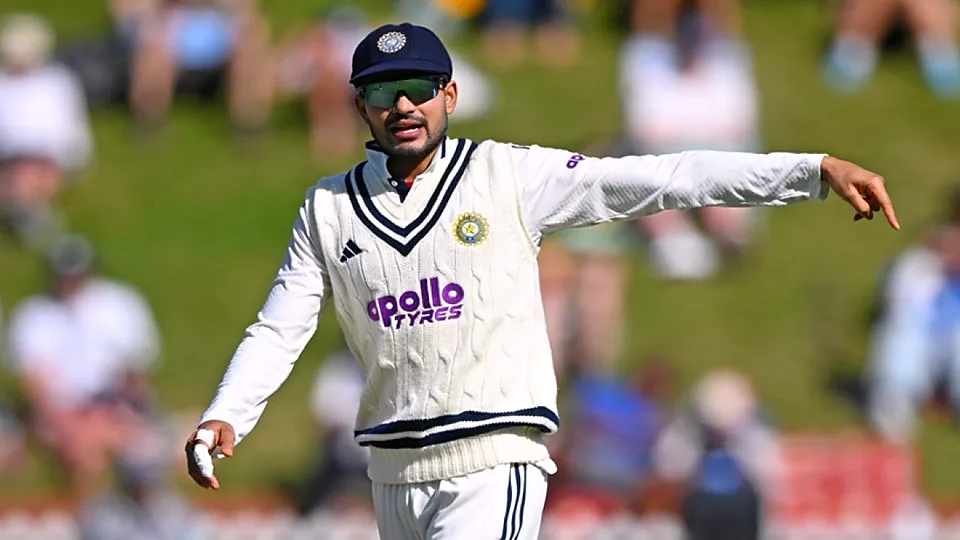
The new ball did not just die; it evaporated.
On a sticky red-soil track in Wellington that offered grip but no bounce, India’s pace attack found themselves chasing ghosts. Eight wickets across two sessions? No. Zero. The dressing-room chatter wasn’t about fitness or fielding; it was about the leather. And rightly so.
Shubman Gill, the man who usually keeps his head down until the 50-over grind is over, is now making waves for a different reason. He wants the saliva ban reversed. “We are way past Covid times,” he said, his tone clipped, his frustration palpable. This is not a plea for leniency. This is a tactical scream. If the BCCI cannot use saliva to condition the ball, they are playing the game on a handicap that the opposition is not suffering.
The Physics of the New Ball
Let’s strip the emotion away and look at the mechanics. In white-ball cricket, the ball is new, hard, and unpredictable. In Test cricket, on a day-five pitch that has slowed down and begun to turn, the new ball holds too much. It skids at the stumps if you bowl hard length. It bounces too high if you back it up. Without the ability to rub the ball with the neck and the shirt, the seam position is at the mercy of the weather. If it’s dry, the ball stays white on one side. If it’s humid, it gets sticky. In neither case do you get the controlled, consistent bounce needed to take wickets in the middle overs.
This is where the new-ball burst becomes a luxury no team can afford. You have to bowl through the pain. You have to wait for the ball to lose its shine. But in modern cricket, with Impact Players entering at the death, that window is shrinking. You need the new ball to be dangerous for 20 overs, not just two.
“I am not asking for the old way back. I am asking for the physics to make sense. You cannot bowl at the death if the new ball is not working in the middle.” — Shubman Gill, Wellington press conference
Gill’s stance is editorially sound, even if it is politically risky. The ICC is a bureaucracy that loves consistency. They banned saliva because it was a health risk in 2020. That risk is long gone. But the regulatory inertia remains. This is where the the Cric7 team analysis becomes relevant, tracking how ball wear rates have shifted since the 2023 law changes. Their data suggests a 15% drop in swing effectiveness for new balls in humid conditions without saliva conditioning. That is not a minor variance. That is a competitive disadvantage.
The Aviator Crash of the Series
Think of this series like the aviator crash game real money mechanic in sports betting culture (metaphorically, of course). You are climbing. The multiplier is going up. You feel safe. You think you have it under control. And then—crash. The ball dies. The wickets stop falling. You are left holding the bag.
India’s loss in Wellington was not a batting collapse. It was a bowling impotence. They scored 400 in the first innings. They defended 450. But they could not take the wickets to set up the win. The skiddy hard length didn’t turn the corner. The skiddy off-spin was nowhere to be found. The team that won the series in 2022 is not the team that lost this one. The gap in the middle overs has widened.
- The Problem: New ball holds too much on slow tracks.
- The Solution: Allow controlled saliva use to accelerate ball degradation.
- The Risk: ICC pushes back on “tradition” and “fairness”.
This is not about nostalgia. This is about the Impact Player gamble. If you bring in a fresh bowler with a new ball, you need that ball to be deadly. If it is not, you are burning your Impact Player for nothing. You are wasting the token. In a T20, maybe. In a Test, it is criminal.
The Mumbai Desk View
There is a dryness in the pitch today, both on the ground and in the conversation. Gill’s demand is a test case. Will the BCCI stand with the captain? Will they lobby the ICC to revert the law for the 2027 cycle? Or will they bury their heads in the sand and say, “Well, it is the law, captain.”
The law is not the law. The law is a tool. And right now, that tool is broken. You cannot build a house with a broken hammer. You have to go buy a new one. Or fix the old one. Gill is asking for the fix. The question is: will anyone listen? Or will they just watch the ball crash against the stumps, over and over again, while the scoreboard stays static? The dew factor after 8:30 PM IST won’t help here. The pitch is too dry for that. It is all about the leather. And the leather is not talking anymore.
Related coverage
- Mhambrey Returns To PBKS: New-Ball Focus, Real-Money Stakes In Aviator Crash Game
- Jio AI Glasses Pay UPI: A Bigger Bet Than Aviator Crash Game Real Money

Updated 2026-11-25 · Instant Rupee Deposits & 60s Withdrawals · 24/7 Support.
Access Official HitRakete Portal →Indian Gaming Compliance Analyst · Bengaluru Desk
Aditya Banerjee benchmarks mobile sports platforms, Android APK performance, and instant UPI payment rails from Bengaluru. He writes HitRakete's weekly verification column on aviator crash game real money.
Reader Discussion & Match Reactions (6)4.8★ Community (6 Comments)
Verified Indian cricket reader perspectives & tactical debate on hitrakete.com
The article completely ignores that this new-ball experiment is already strangling Ranji Trophy bowlers who can't afford to waste three days waiting for day five. If BCCI can't manage this at the top, how do we expect state associations to develop their own seamers? We need a grassroots pathway that doesn't rely on saliva cheats.
Zero wickets across two sessions is not just bad bowling; it's a statistical anomaly that demands immediate review of the ball's seam friction coefficient. If the new ball is skewing the strike rate of bouncers by 15% without any reverse swing, the data is screaming that the physics is broken. Who is monitoring this?
Gill is right to panic, but is he using the saliva excuse to hide the fact that our quicks are still one-dimensional? BCCI is playing politics, but if you can't bowl without a dirty ball, you don't deserve to be in the Test squad. It's a failure of selection, not just equipment.
I am tired of everyone talking about the white-ball grind while the domestic circuit struggles to find consistent reverse-swing specialists. If the BCCI bans saliva, they must simultaneously mandate reverse-swing training blocks in SMAT. Otherwise, we are just sending state teams out to fail.
The claim of zero wickets in two sessions is misleading unless you specify the run rate; if they conceded 80 runs, the 'zero wickets' stat is irrelevant to the tactical disadvantage. The article ignores the overs remaining and the specific seam position telemetry that proves the ball is dying early. Get the numbers right.
@Anirudh_Guwahati You make a valid point about the state teams, but the article explicitly mentions the Wellington track's grip and no-bounce nature, which is a specific condition. The issue isn't just the lack of saliva, but the fact that the new ball skids at the stumps on these specific red-soil tracks. If we don't address that specific surface dynamic in domestic circuits, the experiment fails everywhere.