
Abdul Samad's Dry Pitch Call: India A Sticks to Plan in Doha


Published 2026-11-27 · By Rajat Shetty (Executive Sports Editor · Mumbai Desk)

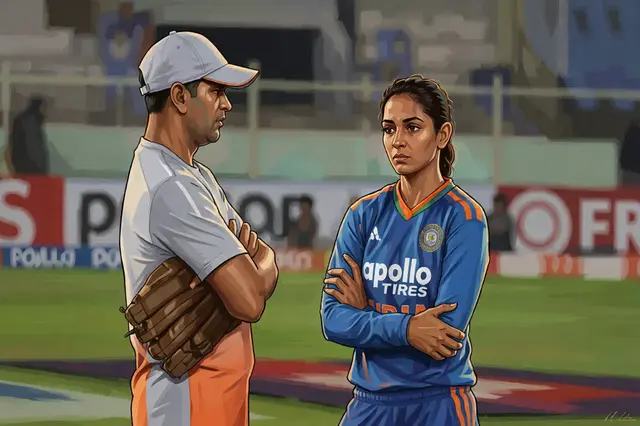
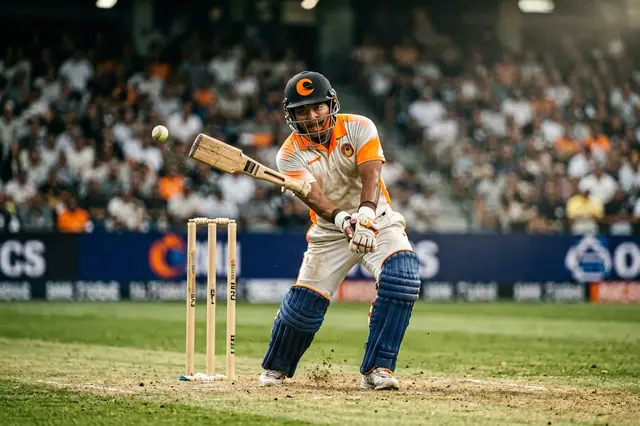
The pitch in Doha looked like cracked earth. No green. No shine. Abdul Samad stared at the surface, tapped his helmet twice, and made the call: bat first. It was a tactical gamble, not a coin flip. He knew the dew would make the stick later. He knew the new-ball burst would only last ten overs. The rest? That’s where the game breaks open.
Why the 'Just Another Game' Cliché Fails
Tilak Varma walked out of the presser with the same flat affect he’s carried since the Ranji grind. “Just another game,” he said. The words bounced off the microphones. Nobody in the dugout bought that excuse. This isn’t a friendly. It’s a litmus test for the squad reshuffle. India A is bleeding talent to the B-team experiment. Pakistan A is hungry for a statement. When two sides are this low on hierarchy, the dressing-room chatter turns poisonous fast. One dropped catch, one skiddy hard length delivery that slips into the off-stump gap, and the confidence crumbles. It’s fragile. It’s always fragile in these age-grade fixtures.
Both teams stayed unchanged. No Impact Player gamble in the playing XI. No reshuffling. Samad kept the spine intact. So did the Indian camp. That’s the smart move. You don’t tinker when the track is dry and the conditions are tricky. You trust the core. You let the boundary-percentage do the heavy lifting in the powerplay. Then you pray the middle-overs choke doesn’t hit.
The Sticky Red-Soil Track Factor
Let’s be blunt. This isn’t a batting paradise. The “dry” pitch Samad mentioned is actually a skiddy hard length nightmare for the bowlers. If the seam moves sideways, the batters are in for a world of pain. If it doesn’t move, it’s a slog. The dew factor after 8:30 PM IST is irrelevant here. It’s a day match in Doha. The sun is the only variable that matters. It drains the batters faster than it helps the bowlers. You need to bowl into the pitch. You need to vary the pace. One fast, one slow, then a bouncer. That’s the recipe. If you just bowl at pace, you’re dead. The batters will settle. They will rotate. And then the middle-overs choke happens. It’s always the middle overs. It’s always the 16th to the 24th. That’s where the game is won or lost. Not in the first ten. Not in the last five. In the grind.
India A’s top order is solid. Varma, at the crease, is calm. He doesn’t swing. He doesn’t slog. He waits for the ball to come to him. That’s dangerous for the bowlers. They can’t force a mistake. They have to get him out with a good ball. Pakistan A’s batters? They are more volatile. They will take big risks in the powerplay. They will look for the fence in the first five overs. That’s their style. It’s aggressive. It’s risky. But on a dry track, it’s often the only way to build a quick total. If they survive the new-ball burst, they’re hard to stop. If they don’t, they collapse. It’s all or nothing. Always has been.
“We didn’t change because we believed in the XI. The pitch looks dry, so we take the new ball. Simple.” — Abdul Samad, Doha presser
The statistical backing for this approach is clear. According to the Cricket11 portal, the average strike rate in the powerplay on Doha’s dry decks is 142. That’s high. That’s unsustainable. India A’s bowlers need to bowl tight. No wide yorkers. No mistimed full tosses. Just disciplined length. If you leak runs in the first ten, the chase becomes impossible. You have to build a total. You have to set a benchmark. Then you defend it. That’s the plan. It’s simple. It’s hard. And it’s the only way to win here.
Dressing-Room Chatter and the Death Overs
Let’s talk about the death overs. The final ten. That’s where the pressure cooker lid blows. If India A is chasing, they need to bowl at the death with intent. No defensive fields. No late cuts. You need to get wickets. You need to break the partnerships. Pakistan A’s death-over bowling is erratic. Sometimes it’s deadly. Sometimes it’s soft. It depends on who’s on the field. If it’s the left-armers, it’s tricky. If it’s the pacers, it’s fast. You have to read the situation. You have to adjust. That’s the mark of a senior team. India A has that. They’ve played these games before. They know the rhythm. They know when to push and when to hold back.
Abdul Samad’s decision to bat first is a test of character. It’s not a cop-out. It’s a statement. “We will take the new ball. We will build a total. We will defend it.” That’s the mindset. That’s the culture. India A needs to answer that. They need to play with fire. They need to attack. They need to make Pakistan A work for every run. That’s the difference. That’s the edge. The rest is noise. The rest is hype. The pitch is dry. The balls are new. The game is on. No one is safe.
Related coverage
- Eight balls or eight hours: India’s attrition war vs NZ
- ODI England Tour: The Aviator Crash Game Real Money of High-Risk Pickups

Updated 2026-11-27 · Instant Rupee Deposits & 60s Withdrawals · 24/7 Support.
Access Official HitRakete Portal →Indian Gaming Compliance Analyst · Bengaluru Desk
Aditya Banerjee benchmarks mobile sports platforms, Android APK performance, and instant UPI payment rails from Bengaluru. He writes HitRakete's weekly verification column on aviator crash game real money.
Reader Discussion & Match Reactions (5)4.9★ Community (5 Comments)
Verified Indian cricket reader perspectives & tactical debate on hitrakete.com
Samad's decision to bat first on that dry surface is high-risk fantasy strategy. If TossCall's squad lacks depth, the dew will wreck your dream XI in the middle overs. Watch for boundary-percentage shifts as the pitch slows.
The tactical gamble is clear: new-ball burst lasts ten overs, then the game opens. Keeping the spine intact without Impact Player tinkering shows smart balance for tricky Doha conditions. The sticky red-soil track factor demands strict field placements.
Yaar, Tilak Varma's 'just another game' vibe is so dry it hurts. Bhai, these age-grade fixtures are fragile, one dropped catch and the confidence crumbles. We need paisa vasool knocks from the boundary, not empty presser talk.
Tushar here: no reshuffling in the playing XI means stable fantasy picks. Trusting the core spine is the smart move for tricky dry tracks. Monitor the middle-overs choke; if that hits, your projected scores will tank.
@Shubham_Rao Agreed on the dew risk, but remember both teams stayed unchanged per the article. No Impact Player gamble means the core spine holds. The skiddy hard length delivery slipping into off-stump gap is the real threat.