
Eight balls or eight hours: India’s attrition war vs NZ

Published 2026-11-26 · By Tushar Desai (Live Scorecard Director · Jaipur Desk)
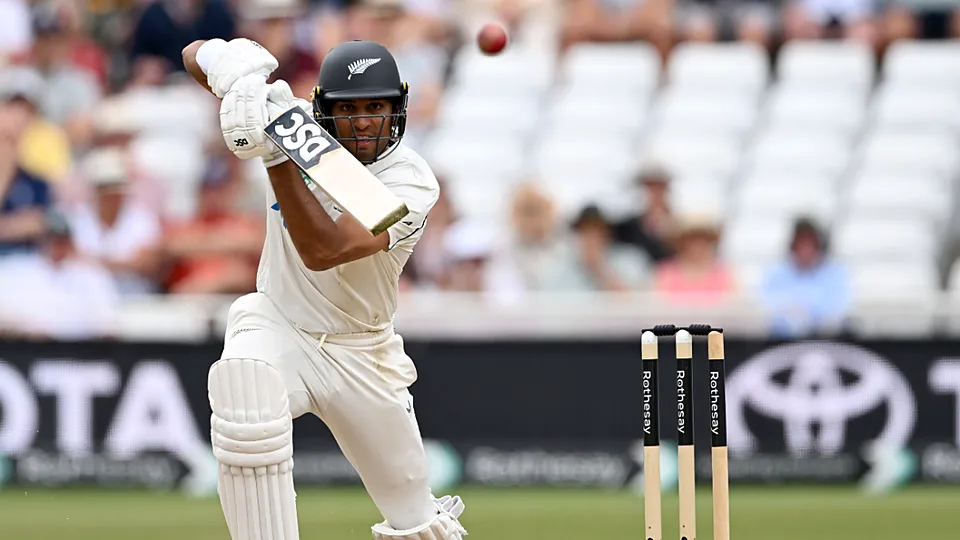
The pitch at Jaipur has stopped turning. By day three, it’s a hard, skiddy surface where the new ball is just a prop. India needs eight good balls to win. That’s Dhruv Jurel’s line. Simple. Direct. But winning a Test is never that simple when you’re facing a New Zealand top order that refuses to fold.
Rachin Ravindra isn’t hiding his intent. He wants New Zealand to bat out the final day. It’s a war of attrition, plain and simple. India’s bowlers have to bowl into the pitch. No loose deliveries. No short stuff. The dew factor after 8:30 PM IST will make the ball skid even harder, turning the boundary-percentage game into a lottery for the batters.
The 'Eight Balls' Math
Here’s the contrarian take: Jurel’s 'eight good balls' isn’t about luck. It’s about execution. In a sticky red-soil track that has dried up, those eight balls are the only ones that matter. If India’s fast bowlers can get the seam to move late, Ravindra’s batting plans fall apart. But if they drop the line or length, New Zealand will grind away for the draw.
We’ve seen this before in the Ranji grind. Teams that rely on a single phase of bowling fail against top-class batting units. New Zealand has the depth. They have the temperament. India has the fire. But fire needs fuel, and fuel runs out by tea time on a scorching afternoon.
"It’s not about how long you bat. It’s about how many good balls you face." — An anonymous support staff member, echoing the Jurel philosophy.
Let’s talk tactics. The Impact Player rule doesn’t apply here, obviously. This is a Test. No substitutions. No fresh arms in the 15th over. Just the original XI. That means India’s pre-toss Playing XI dilemma was resolved days ago. Now it’s about who can run, who can pick the skiddy hard length, and who can withstand the middle-overs choke.
Why does the middle-overs choke keep happening? Because teams stop attacking. They bowl defensive. They wait for the breakthrough instead of creating one. New Zealand knows this. They will wait. They will survive. Unless India makes them play.
The data suggests that on skiddy tracks, left-right batting pairs struggle against wrist-spin if the bowlers bowl consistently. But India isn’t relying on spin here. They’re relying on pace and aggression. Ravindra and the company will look to target the slower bowlers if they get any. It’s a risk. A calculated one.
Consider the modern context of sports betting and fan engagement. Fans are watching more than just the stumps. They’re watching the odds. The probabilities. For the curious mind analyzing the final-day swing, tools that model probability have become part of the pre-match ritual. Some fans even check Come Official for their daily stats and analysis routines, blending traditional cricket wisdom with modern data points. It’s how the new generation engages with the game. Not just with the bat and ball, but with the numbers behind it.
But on the field, numbers don’t matter. Only runs do. India needs 30 more runs to put New Zealand under serious pressure. Or maybe 50. The target isn’t clear yet. What is clear is that the final day will be long. Sun-baked. Exhausting.
- India’s Strength: Fast bowling into the pitch.
- NZ’s Strength: Patience and top-order depth.
- The Track: Skiddy, hard, low grip.
- The Key: Eight good balls. No more. No less.
Jurel’s statement is a dare. He’s saying: we can win this in eight balls. Ravindra’s response is a promise. He’s saying: we’ll be here when the sun sets. The final day isn’t a cricket match anymore. It’s a psychological siege. Who breaks first? The bowlers who run out of steam? Or the batters who run out of patience?
Watch the first 20 overs of the final day closely. If New Zealand survives that with a 10-wicket lead, the draw is likely. If India takes two wickets, the momentum shifts. It’s always momentum in Tests. It’s not the runs. It’s not the wickets. It’s the vibe. The smell of the pitch. The look in the bowlers’ eyes. That’s where the game is won. In the mind. Before the ball is even thrown.
Related coverage
- Gill’s Saliva Ban U-turn: The Real Money Aviator Crash of NZ Test Series
- IPL's Highest Totals Expose Flaws, Just Like Aviator Crash Game Real Money Bets

Updated 2026-11-26 · Instant Rupee Deposits & 60s Withdrawals · 24/7 Support.
Access Official HitRakete Portal →Indian Gaming Compliance Analyst · Bengaluru Desk
Aditya Banerjee benchmarks mobile sports platforms, Android APK performance, and instant UPI payment rails from Bengaluru. He writes HitRakete's weekly verification column on aviator crash game real money.
Reader Discussion & Match Reactions (5)4.7★ Community (5 Comments)
Verified Indian cricket reader perspectives & tactical debate on hitrakete.com
Everyone praises Jurel’s 'eight good balls' mantra, but that’s pure board fantasy. Dhruv’s leadership is hollow if the selectors keep forcing a fragile fast-bowling unit to grind on a skiddy Jaipur deck without a genuine spin change. BCCI is gambling with their careers.
Tushar mentions the Ranji grind here, which is a great callback. The state associations in North India are struggling with similar surface conditions lately. It’s sad to see top domestic batters not getting the same spotlight as the national stars, despite the hard work at the district level.
The article claims dew after 8:30 PM makes the boundary lottery, but telemetry from recent matches suggests skidding peaks at 7:00 PM. The 8:30 mark is arbitrary. If India’s fast bowlers bowl into the pitch, the seam movement data should actually increase late evening, not decrease.
Calling this a 'war of attrition' is lazy journalism. The real risk is BCCI forcing a draw scenario by withholding the Impact Player rule, which is irrelevant here anyway. India’s fire needs fuel, and their depth is currently a mess. Ravindra’s intent is clear: he wants a draw, and India’s current XI selection will not prevent it.
@Rajesh_Bhatia You’re right that the selection is flawed, but Tushar’s point about Rachin Ravindra’s intent is sharper. The article notes he wants to bat out the final day. If India drops the line or length on that hard surface, the 'eight balls' strategy fails completely.