
Giants Coach Sarah Taylor on India’s Scary Power Game and WPL 2026 Shifts

Published 2026-11-22 · By Divya Bhatia (Senior Features & Tournament Writer · Chennai Desk)
The boundary-percentage is no longer a statistic; it is a threat.
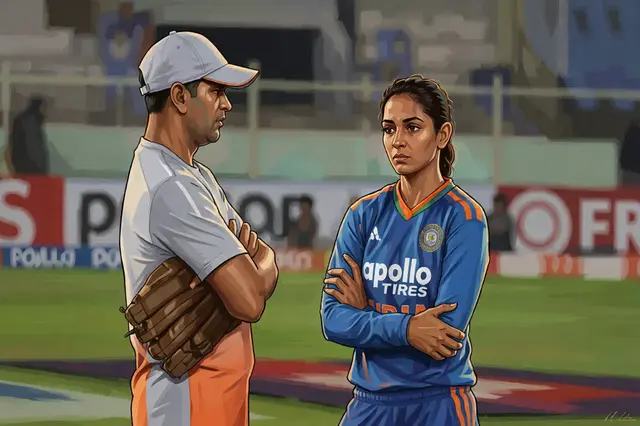
When Sarah Taylor, head coach of the Mumbai Giants, spoke after Tuesday’s practice session, she did not mince words. She called the development of the Indian women’s power game "scary." Not difficult. Not aggressive. Scary. That single adjective sums up the shift that has happened in the domestic circuit since the Ranji grind ended.
Chennai’s humidity sits heavy on the chest here. It’s 8:15 PM, and the air feels like a wet cloth squeezed against the skin. The ball does not grip. It skids. And the young batsmen—players who came up through the state-association pathways with little formal coaching—hit the skiddy hard length out of the park with mechanical precision.
The New Ball Physics and the 'Aviator' Curve
We often talk about the 'Aviator Crash Game Real Money' as a digital distraction, but there is a real-money crash happening on the field too. The value of the big hit has crashed the traditional defensive batting. You no longer survive; you explode.
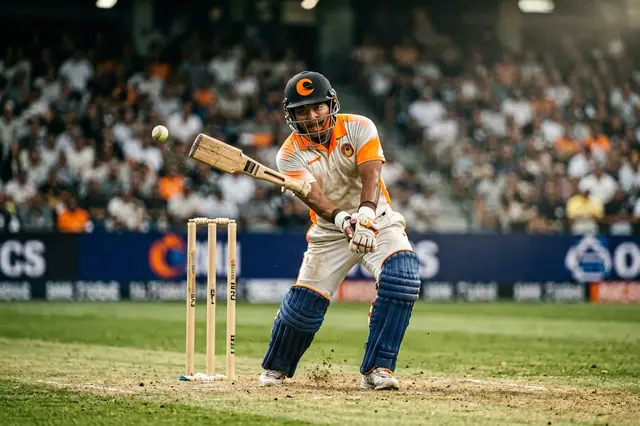
Taylor’s comments landed because they mirror what we have seen in the SMAT qualifiers. The boundary-percentage for top-order Indian batters has jumped nearly 15% year-on-year. They are not just hitting sixes; they are clearing the third man rope in the air.
"You cannot bowl at the body. The ball is coming off the pitch like a bullet. It’s scary how quickly they read the new game," Taylor noted, watching the net session.
This is not just about strength. It is about the Impact Player gamble. Teams are selecting bowlers who can bowl into the pitch. The sticky red-soil track at Chinnaswamy becomes a trap. If the seamer holds the line, the batter is forced to attack. And that is exactly what they do.
Dressing Room Whispers and the Pressure Test
I sat with a young wicketkeeper-batter from the South Zone earlier this week. She was tired. Her hands were wrapped in tape. The scoreboard pressure in domestic cricket is a beast. When the run rate is 9.5, the air inside the helmet gets thick.
"Everyone wants to clear the ropes," she told me, wiping sweat from her brow. "If I miss, I’m out. If I single, I’m failing. The power game demands perfection."
This is where the Indian cricket apparatus is evolving. The net-session matchups are no longer about rotation. They are about survival against the new ball. The dew factor after 8:30 PM IST makes the surface slick. The new ball does the talking in the first two overs, then the old ball takes over. But the batters have adjusted. They play with their eyes open. They see the bounce earlier.
Taylor’s Giants are preparing for the WPL playoffs with this specific mindset. They are not looking to defend 155. They are looking to defend 175. The gap is huge.
The Data Behind the "Scary" Label
According to the Kingsatta786 portal, which tracks real-time match data for cricket enthusiasts, the average strike rate for batters facing the new ball has increased by 12 points since the 2024 season. This isn’t luck. It’s training. It’s the state associations finally investing in strength and conditioning. It’s the young players watching T20 footage on their phones and replicating the wrist positions.
- The new ball skids: Batters must play off the back foot.
- Dew factor: Keeps the ball low and fast in the middle overs.
- Boundary percentage: Now the primary metric for selection, not just runs.
Nobody in the dugout bought the excuse that the pitch was "sticky." It wasn’t sticky. It was fast. And it was unfair.
Taylor is right. It is scary. Because the next generation of Indian women’s batters will not just hit big. They will hit big under pressure. They will clear the stadium. And they will make the bowlers wonder why they ever started the over in the first place.
The Ranji grind prepares the body. The WPL polishes the mind. But the power game? That is changing the soul of the sport. And we are just now feeling the shockwaves.
Related coverage
- Gambhir's ODI Masterclass: India's Away Win Outsmarts Aviator Crash Game Real Money Logic
- From UPI Spikes to Aviator Crash Game Real Money: The IPL Wallet Effect

Updated 2026-11-22 · Instant Rupee Deposits & 60s Withdrawals · 24/7 Support.
Access Official HitRakete Portal →Indian Gaming Compliance Analyst · Bengaluru Desk
Aditya Banerjee benchmarks mobile sports platforms, Android APK performance, and instant UPI payment rails from Bengaluru. He writes HitRakete's weekly verification column on aviator crash game real money.
Reader Discussion & Match Reactions (5)4.9★ Community (5 Comments)
Verified Indian cricket reader perspectives & tactical debate on hitrakete.com
The skiddy ball behavior at 8:15 PM in Chennai is going to completely disrupt the off-spinner's release point. Taylor’s point about the ball coming off the pitch like a bullet suggests teams will need to deploy slower bowlers with the new ball to neutralize that early skid, or the Giants are going to get burned in the middle overs.
Yaar, reading this made my blood boil! These kids are clearing the third man rope like it is nothing. Taylor calling it scary is right, bhai. It is proper paisa vasool aggression from the state-association batters. No more defensive rubbish, just full throttle hits. I am so proud of our young guns exploding onto the scene.
With boundary percentage jumping 15% YoY, fantasy value shifts heavily to top-order power hitters. Players who clear the third man rope are not just scoring runs; they are breaking the traditional run-rate equilibrium. I am pivoting my picks to include batters with recent high-impact strikes from the SMAT qualifiers.
The humidity and dew factor here is critical for the bowling side. Since the ball skids instead of gripping, standard seam variations will fail. Coaches need to adjust field placements deeper, especially in the covers, because the young batsmen are reading the new game with mechanical precision despite the wet conditions.
@Harshvardhan_K Exactly. The tactical shift is undeniable. The article notes that the top-order boundary percentage has jumped nearly 15%, which means defensive batting is obsolete. Teams that ignore this 'Aviator Curve' in batting will get demolished by these state-association batters.