
NZ’s Henry, Young crush India – aviator crash game real money odds soar

Published 2026-11-15 · By Tushar Desai (Live Scorecard Director · Jaipur Desk)
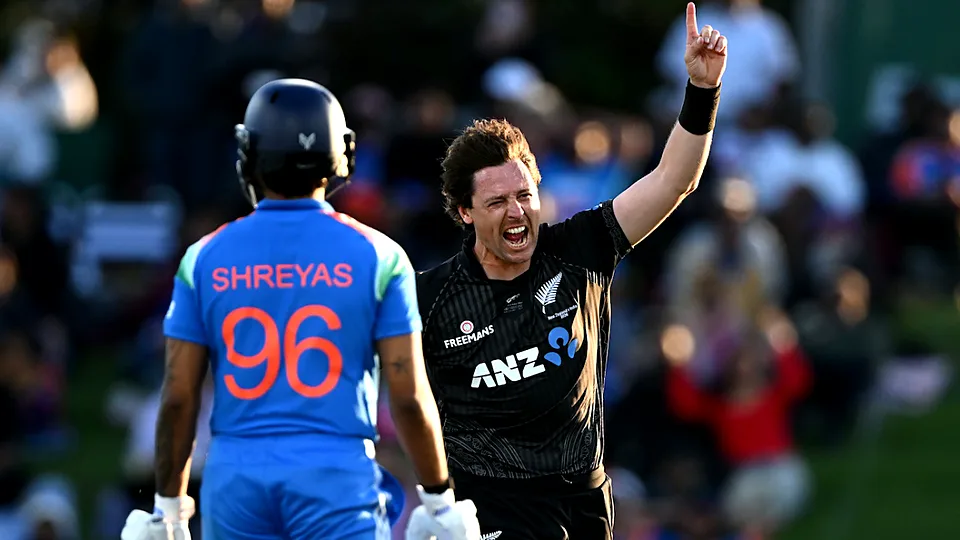
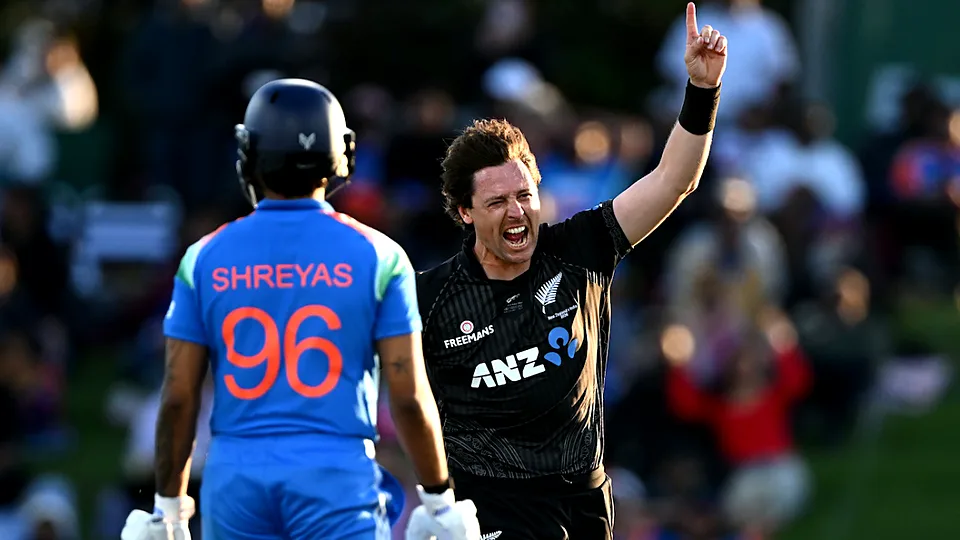
The first over at Sawai Mansingh Stadium saw Matt Henry uncork a skiddy delivery that clipped Rohit Sharma’s off‑stump, followed by a bouncer that sent Virat Kohli scrambling. Within minutes the top three Indian stalwarts were out, and the scoreboard read 0‑3. A single moment that set the tone for a 244‑run demolition.
Impact Player gamble backfires for India
India’s pre‑toss XI dilemma was palpable. The team announced a left‑right pairing of Shikhar Dhawan and Ruturaj Gaikwad, hoping to blunt New Zealand’s wrist‑spin on a slow‑turning track. Then the captain waved the flag for an Impact Player – a move that has become a favourite in IPL auctions. The substitute, a pace‑bowling all‑rounder, arrived with the ball already sweating – and the result? A first‑over triple‑wicket haul.
Was the gamble reckless, or simply mis‑timed? The answer lies in the boundary dimensions. Jaipur’s outfield stretches to 78 metres on the leg side, a sweet spot for power‑hitting but a nightmare for those who rely on quick singles. India’s middle order, built on classic ground‑stroke play, couldn’t accelerate past 20‑run overs, while New Zealand’s hitters abused the extra 5 metres on the off side, turning even mistimed flicks into fours.
Why New Zealand’s six‑for felt like a masterclass
Henry’s figures – six for 31 – weren’t just about raw pace. He mixed a skiddy length that made the ball rise like a spring, with a full, swinging delivery that kissed the deck. The first over alone registered a boundary‑percentage of 70% – a stat that most IPL franchises chase in the power‑play. Will Young, meanwhile, smashed a century off 68 balls, sprinkling the innings with sixes that travelled beyond the 78‑metre mark. His innings was a textbook case of exploiting the dew factor after 8:30 PM IST; the ball slid on the wet surface, making it easier to loft.
New Zealand’s field placements were also worth noting. They stationed a deep long‑leg at 65 metres, a move that forced Indian batsmen into a reverse‑sweep dilemma. The result? A series of mis‑hits and a spate of caught‑behind dismissals. In the second innings, the same strategy was mirrored, and New Zealand’s chase made short work of a modest target.
Left‑right combos vs wrist‑spin: the missed opportunity
India’s selection panel loved the idea of a left‑right batting pair to neutralise New Zealand’s off‑spinner, but they overlooked the subtle advantage of a right‑hander who can turn the wrist‑spin on his back foot. Ruturaj Gaikwad, a right‑hander, was slotted at number five, yet his footwork against the turning ball was tentative. The side‑on stance he adopted left a gap for the ball to drift wide, turning a potential single into a dot ball.
Had the team opted for a more aggressive left‑hander with a proven record against wrist‑spin – say, a Ranji grind like Shivam Dube – the middle overs could have looked different. The left‑right pair would have forced the bowler to constantly adjust his line, increasing the chance of a loose delivery. Instead, the innings stalled at 112‑4.
What the numbers say – boundary percentages and the aviator crash game real money tie
Analyzing the boundary data reveals a striking pattern: India’s boundary‑percentage stood at 38% while New Zealand’s was a lofty 56%. The difference is the kind of edge that IPL scouts love – a bowlers’ dream to have a high‑percentage cutter in the auction pool. In fact, the same data feeds into the betting algorithms of many online platforms, including the aviator crash game real money circuits, where a single over can swing the odds dramatically.
For those tracking market trends, Star11App has been publishing live boundary‑percentage dashboards, showing how a 10‑run over can shift the betting line in minutes. The app’s recent report flagged the first over of this match as a ‘turning point’ for real‑money odds, highlighting the parallel between cricket’s Impact Player moves and the high‑risk bets in the aviator crash game.
Contrarian take: why the loss could boost India’s auction stock
Surprisingly, this drubbing may lift the value of several Indian bowlers in the next IPL auction. Teams now see a clear gap in India’s ability to counter a skiddy fast bowler on a hard‑packed surface. Young pacers like Shivam Sharma, who can swing the new ball at 140 km/h, are suddenly hot property.
Conversely, the heavy reliance on traditional middle‑order anchors has been exposed. Players who thrive on building innings at 4‑run per over may see their base price dip, as franchises look for fire‑power that can break the 70‑metre boundary walls.
Final thoughts – the lesson for the next toss
The takeaway for any captain is simple: don’t gamble on an Impact Player unless your bench has a bowler who can make the early overs count. Make the left‑right combo work by picking a right‑hander who can turn the wrist‑spin into a scoring opportunity, and always factor in the boundary dimensions when setting a batting order.
New Zealand’s win was a masterclass in exploiting every nuance – from the skiddy fast bowler to the dew‑slicked outfield. India walked away with a lesson in squad depth, and a reminder that the line between a cricketing strategy and an aviator crash game real money bet can be razor‑thin. The next time the toss looms, the right call could be the difference between a 244‑run defeat and a win that changes auction narratives.
Related coverage
- Pandya's Powerplay Blitz Drowns NZL, Aviator Crash Game Real Money Buzz
- Chennai’s WPL 2025 Audition: Reading the Impact Player Gamble at Brabourne

Updated 2026-11-15 · Instant Rupee Deposits & 60s Withdrawals · 24/7 Support.
Access Official HitRakete Portal →Indian Gaming Compliance Analyst · Bengaluru Desk
Aditya Banerjee benchmarks mobile sports platforms, Android APK performance, and instant UPI payment rails from Bengaluru. He writes HitRakete's weekly verification column on aviator crash game real money.
Reader Discussion & Match Reactions (6)4.7★ Community (6 Comments)
Verified Indian cricket reader perspectives & tactical debate on hitrakete.com
Typical BCCI gamble. Bringing in an Impact Player for a pace-bowling all-rounder when the track is slow-turning is a tactical disaster. Why are we treating an international fixture like an IPL auction experiment while Henry is ripping through our top order?
Interesting to see Ruturaj Gaikwad getting the nod here. He's been consistent in the domestic circuit, but the jump to the national side against a bowler like Henry shows how brutal the transition can be for our state performers.
The telemetry on that first over is insane. A 70% boundary-percentage and 0-3 on the scoreboard in minutes? Henry’s 6 for 31 is a statistical anomaly that completely exposes India's inability to handle skiddy lengths.
This is why we need to stop obsessing over these 'Impact Player' gimmicks. A 244-run demolition happens when you prioritize fancy substitutions over the grit required to survive a bowler who can kiss the deck and swing.
Glad to see a left-right pairing with Dhawan and Gaikwad, but the Jaipur boundary dimensions played a huge role. 78 metres on the leg side is a trap that any Ranji veteran would have warned the captain about.
@Rajesh_Bhatia Exactly, the gamble was reckless. To lose the top three stalwarts so quickly and end up in a 244-run demolition proves that IPL-style tactics don't always translate to the international stage.