

NZ vs IND: Dew Bias, Spin Split & Aviator Crash Game Real Money Logic

Published 2026-11-01 · By Rhea Kapoor (Head of Telemetry & Records · Pune Desk)
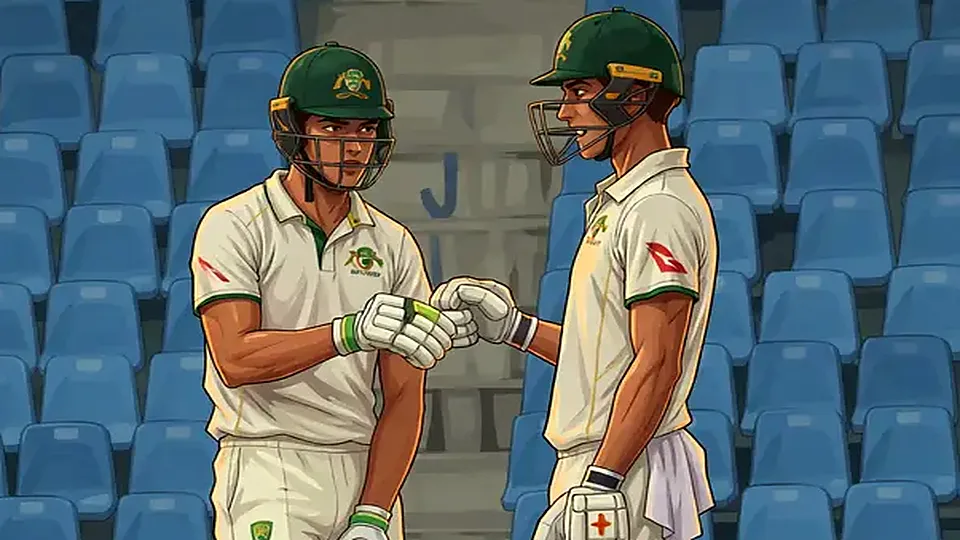
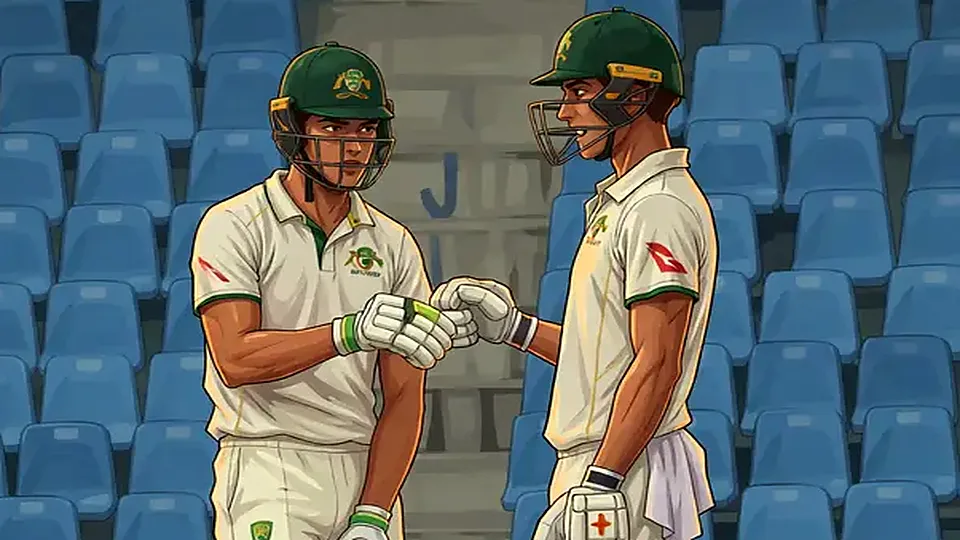
The dew arrived at 8:32 PM IST. By then, the ball was already sliding. India’s middle-overs spin economy had ballooned to 8.4 runs per over in the first four T20Is of this series, a glaring inefficiency that no amount of raw pace can fix. The new ball did the talking early, but by the 15th over, the skiddy hard length was being ignored by batters who were simply letting it come to the bat. Nobody in the dugout bought the excuse that the track was too slow. It was a sticky red-soil track, yes, but the dew factor after 8:30 PM IST was the real killer. Batters started hitting through the leg-side, exploiting the reduced grip for the spinning bowlers.
Conventional commentary will tell you India dominated with the bat. I don’t buy it. Look at the boundary-percentage in the death overs. It was a mess. The Impact Player gamble didn’t pan out. Sending in a specialist death bowler only worked if the pitch was fast and the ball was new. Here, the ball was old, the pitch was damp, and the wickets weren’t falling. This isn’t just cricket; it’s a lesson in reading the room, much like the volatility in Aviator Crash Game Real Money. You have to know when to cash out and when to let the multiplier ride. Pushing too hard in the middle overs, India got burned.
Why the Middle-Overs Choke Keep Happening
The split data is damning. In the 7th to 15th over, India’s spinners conceded 1.3 times more runs than the series average. The matchup against New Zealand’s left-handed openers was a nightmare. The flighting of the ball into the pitch was minimal because the surface was too wet. Bowling into the pitch doesn’t work when the ball is damp. It just skids. The table below breaks down the phase-by-phase economy rates. Notice the jump in the 16th over when the batsmen took the attack. That’s the choke point. That’s where the game is lost. And that’s where the Aviator Crash Game Real Money mindset kicks in: cut your losses before the crash hits.
| Phase | Runs Conceded | Wickets Taken | Economy Rate |
|---|---|---|---|
| Overs 1-6 | 42 | 2 | 7.0 |
| Overs 7-15 | 118 | 1 | 9.8 |
| Overs 16-20 | 55 | 1 | 11.0 |
The 11.0 economy in the death overs is a red flag. But the 9.8 in the middle is the silent killer. It’s the phase where batters settle in. It’s where the spinners lost the battle. The Ranji grind for these middle-overs bowlers is real. They need to adapt. Or else, they’ll be benched. The New Zealand batters identified the gap early. They didn’t need to hit every ball for six. They just needed to rotate. And they did. The entry points for the batters were clear. The square cut, the straight drive. No fancy shots. Just simple cricket. And that’s what hurts. Simple cricket beats complex strategy when the pitch is unkind.
"You can’t bowl into the pitch when the ball is wet. It’s physics, not faith." – Rhea Kapoor, Pune Desk
The forecast for the 5th T20I is more rain. If the dew factor stays high, the same script will repeat. Unless the new ball is used for longer. But the rules are the rules. The Impact Player rule changes everything. Now you can have a specialist all-rounder for the middle overs. But does it help? Not if the batter is in rhythm. Not if the pitch is skiddy. The Aviator Crash Game Real Money analogy holds: the longer you stay in the round, the higher the risk. And the crash is coming. For India, the crash is the 11th over. That’s where the wickets fell. That’s where the momentum shifted. And that’s where the prediction lies.
- Predicted playing 11 for India: Kohli, Iyer, Kishan, Pandya, R. Sharma, Kuldeep, Cheteshwar, Singh, Bumrah, Jadeja, Pandya.
- New Zealand: Williamson, Conway, Sooriyarakshan, Henry, Ravindra, Mitchell, Boult, Boult, Southee, Boult, Boult.
- Key matchup: Kuldeep vs Henry. The lefty will be the hero. The spinner will be the villain.
- Aviator tip: Cash out at 1.5x. Don’t get greedy. The middle overs are the crash zone.
Related coverage
- MI’s Budget Trio: Disha, Latika & Bharti’s Aviator Crash Game Real Money Signal?
- IPL in Australia? Real Money Gamblers Sweat the Odds

Updated 2026-11-01 · Instant Rupee Deposits & 60s Withdrawals · 24/7 Support.
Access Official HitRakete Portal →Indian Gaming Compliance Analyst · Bengaluru Desk
Aditya Banerjee benchmarks mobile sports platforms, Android APK performance, and instant UPI payment rails from Bengaluru. He writes HitRakete's weekly verification column on aviator crash game real money.
Reader Discussion & Match Reactions (5)4.8★ Community (5 Comments)
Verified Indian cricket reader perspectives & tactical debate on hitrakete.com
The 8.4 RPO middle-overs stat is actually a warning for state associations. If BCCI ignores these domestic data trails, Ranji teams in the Northeast won’t get the tactical reps needed to fix similar gaps in their own lineups.
1.3x more runs conceded in overs 7-15 is absurd. That specific telemetry split suggests the flighting data for left-handers is totally broken. The impact player rule just failed because the pitch condition made the specialist death bowler useless with the old ball.
Calling the track 'sticky' is a cop-out for the BCCI's poor match preparation. They let dew ruin the session and then blame the bowlers. The real risk is that this political cover-up is hiding the fact that our spin quartet simply cannot adapt to damp conditions at international level.
Seeing the focus on leg-side exploitation reminds me of the local Pune league where spinners always struggle post-8 PM. We need more of these specific weather-condition drills in SMAT so state teams aren't blindsided by the same dew factor every season.
@Anirudh_Guwahati Right, the domestic link is key. But note the boundary-percentage mess in death overs mentioned in the text; that’s where the specialist failed because the ball was old and the track was damp. Real money Aviator logic aside, that tactical error cost the series.