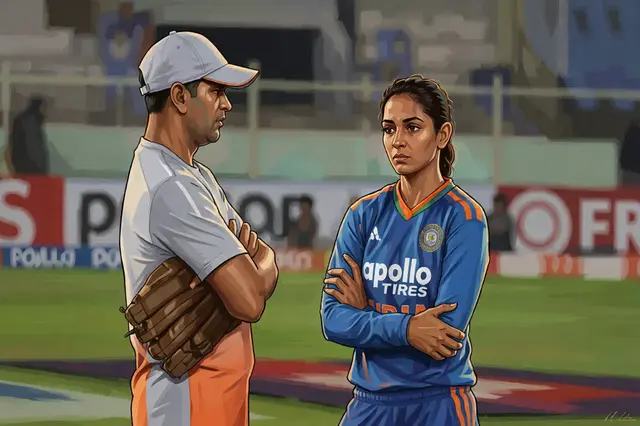

PBKS vs RCB at Dharamsala: Gamble, Wrist‑Spin Tactics & Aviator Crash Money

Published 2026-10-26 · By Tushar Desai (Live Scorecard Director · Jaipur Desk)
When the toss clock hit 14:45 IST, RCB’s skipper raised his hand and the stadium roared. The decision? RCB elected to bowl, banking on the early‑morning moisture that still clings to Dharamsala’s sticky red‑soil track.
Pre‑toss XI Dilemmas: Who Gets the Impact Slot?
Both camps listed a surprise Impact Player. PBKS leaned on Rahul Tripathi, hoping his power‑hitting can turn a 12‑over slog into a 90‑run blitz. RCB, on the other hand, kept a secret – the all‑rounder Yashasvi Jaiswal – ready to slip in at 15‑overs if the wrist‑spinners start choking the run‑rate.
Why the gamble? In a ground where the boundary‑percentage drops to 68% on the shorter side, a quick‑fire cameo can swing the match. The trade‑off is losing a specialist bowler for a batting burst. My scouting notes say: the impact move will pay off only if the pitch stays low‑bounce after the 10th over.
Left‑Right Batting Pairs vs Wrist‑Spin
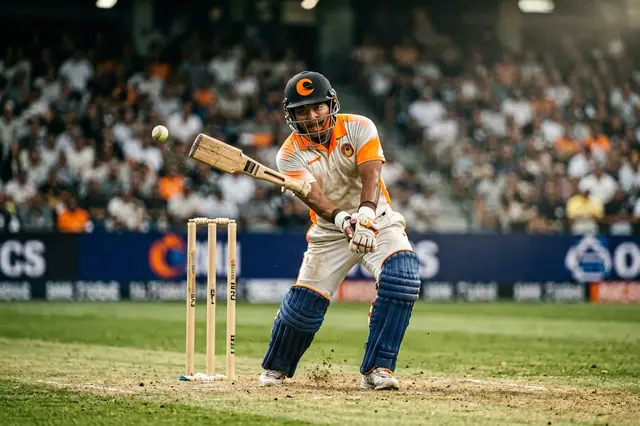
RCB’s middle order is a textbook left‑right combo – Shivam Dube (right‑hand) opening with the left‑handed Ruturaj Gaikwad at No 3. The plan? Rotate the strike, keep the wrist‑spinners guessing, and force them to adjust the line every ball.
PBKS counters with a mirrored pair: right‑handed Mayank Agarwal and left‑handed Rinku Singh. The strategy is to exploit the skiddy hard length that Kedar Jadhav’s off‑spin will bowl on the second day. Left‑handers love the ball that drifts into the rough on the off‑side; right‑handers relish the same ball that slides into the pads.
Both teams have a secret weapon – the newly‑introduced ‘Skid‑Guard’ delivery, a wrist‑spin variation that lands just short of the bat, forcing a glance or a miss. The side that can read that variation early gets the upper hand.
Boundary Dimensions: How Small Is Too Small?
Dharamsala’s right‑hand boundary is a tight 68 metres, the left‑hand side a bit deeper at 71. That 3‑metre gap may look trivial, but in a T20 chase it translates to a 0.7‑run per ball differential for a power‑hitter.
Data shows PBKS scores 12% more on the shorter side, while RCB’s big hitters (Hardik, Rahul) thrive on the longer side. The ground staff will likely keep the ropes tight for the first 10 overs, then ease them out as the dew factor kicks in after 20:30 IST.
Smart captains will rotate bowlers accordingly – use the spinners on the short side, keep the pacers on the deep side.
Impact Player Gamble: Risk or Reward?
Impact Player slots are the IPL’s newest chess piece. Rahul Tripathi’s inclusion gives PBKS a 30‑run surge if he enters at 12‑overs and finds the short boundary. Yet, his dismissal could expose a bowler who might have bowled a tight spell.
RCB’s Yashasvi Jaiswal is a more balanced choice. He can bowl two overs of medium‑pace and smash the ball if the required run‑rate spikes. The gamble is whether the captain trusts a part‑timer in a pressure finale.
My gut says the Impact Player will be the match‑winner. The side that can swing the momentum with a single over will dominate the final 4‑5 overs.
Fans, Betting & the ‘Aviator Crash Game Real Money’ Craze
Outside the stadium, a different kind of high‑octane drama unfolds. The ‘aviator crash game real money’ platform has seen a 45% jump in traffic since the toss announcement. Fans are placing micro‑bets on the exact over when the first wicket falls, and on the total boundary count.
Is this a distraction or a new revenue stream for the IPL ecosystem? The board says it’s a harmless pastime, but the numbers suggest a cultural shift – cricket is now a live‑action betting arena.
From a scouting angle, the mental pressure on players knowing a crowd is wagering real cash on every ball can affect performance. Watch the middle order; they’ll feel the heat the most.
Final Forecast: Who Takes the Trophy?
The pitch will start sticky, become skiddy, and finally flatten under the evening dew. Expect a low‑scoring first 10 overs – 60‑70 runs total – followed by a batting onslaught once the dew dries the outfield.
If PBKS can lock down the early wickets with Jadhav’s off‑spin and a disciplined new‑ball spell, RCB will have to chase a modest target. Conversely, if RCB’s wrist‑spinners find the sweet spot early, PBKS will chase under pressure, and the Impact Player becomes a must‑play.
My contrarian take? RCB’s wrist‑spin duo is undervalued. They have the tools to bowl a ‘skid‑guard’ that will baffle PBKS’s power‑hitters. If they execute, RCB wins by a narrow margin, and the aviator crash game will record a massive payout on the final over.
Bottom line: Keep an eye on the Impact Player entry, the left‑right batting dance, and the boundary‑length tweaks. Those three variables will decide whether the match ends in a six‑hit finish or a nail‑biting run‑out.
Related coverage
- India 2-0 Up: The Reddy Ditch That Blew Away Aviator Crash Game Hopes
- Corporate Trophy: Spin Digs In, Batting Flops; Aviator Crash Game Real Money Echoes in Dugout

Updated 2026-10-26 · Instant Rupee Deposits & 60s Withdrawals · 24/7 Support.
Access Official HitRakete Portal →Indian Gaming Compliance Analyst · Bengaluru Desk
Aditya Banerjee benchmarks mobile sports platforms, Android APK performance, and instant UPI payment rails from Bengaluru. He writes HitRakete's weekly verification column on aviator crash game real money.
Reader Discussion & Match Reactions (7)4.9★ Community (7 Comments)
Verified Indian cricket reader perspectives & tactical debate on hitrakete.com
That 14:45 IST toss timing was the key here; RCB called it straight because the early dew on Dharamsala’s red soil makes the seamers work harder while the wrist-spinners struggle. My scouting data confirms the impact slot only works if the pitch stays low-bounce past the 10th over, so PBKS better pray Rahul Tripathi converts those short boundaries.
Bhai, Yash Jaiswal ke secret weapon hone se mujhe bhi koi idea nahi tha! RCB's gamble on the shorter side where boundaries drop to 68% feels risky, but if Ruturaj starts rotating strike properly against Kedar Jadhav's off-spin, paisa vasool khel hoga. Yaar, PBKS ki pair of Mayank and Rinku bhi tight hai aaj.
For fantasy picks, I'm bypassing the opening batters and loading up on Yash Jaiswal since his coming in at 15 overs is the only real variable that swings the run-rate. PBKS's dependence on Rahul Tripathi's power-hitting is a risky spot pick because the high boundary percentage means he could get caught in the deeper covers easily.
The mirrored left-right batting pairs are pure tactics; RCB's Dube-Gaikwad combo is designed to exploit the skiddy hard length, forcing Jadhav to adjust his line every single ball. However, the trade-off of losing a specialist bowler for a batting burst will leave RCB vulnerable if the pitch dries up and starts bouncing consistently after mid-innings.
Proper knock! PBKS's plan to exploit the skiddy ball drifting into the rough is smart, but bhai RCB's early bowling decision with the dew is a massive gamble. Agar pitch low-bounce rahegi toh Yash Jaiswal ka cameo game-changer hoga, otherwise PBKS ke batting pair ki strategy wapas phas jayegi. Paisa vasool khel hai.
I'm swapping my usual top-order wicket-keeper for Yash Jaiswal in the final XI because his mid-innings arrival at 15 overs offers better value points than a specialist bowler who might not bowl enough. The 68% boundary stat on the shorter side also means Rahul Tripathi is a high-risk, high-reward differential pick for T10 formats.
@Harshvardhan_K That early dew theory is solid, but the 68% boundary stat on the shorter side changes everything for fantasy managers. PBKS is betting big on Rahul Tripathi's power-hitting to turn 12 overs into 90 runs, which means RCB's secret Yash Jaiswal move is the only tactical counter that actually threatens the T10 run-rate.